The pillar
The deer season, phase by phase
Deer do not behave the same way in September and December, and neither should you. This is the arc the whole site is organised around.
A deer season has four working phases, and each one changes what moves deer, where they bed and what you should be doing about it.
How many phases does a season really have?
Four that matter: early season, pre rut, rut and late season. Calendar dates shift by state, but the sequence does not.
Most hunters know the rut has its own rules. Fewer treat the other three as separate problems, and that is where seasons get wasted. An early season setup left in place through November is not a strategy, it is a habit.
| Phase | What moves deer | Where they are | What you should be doing |
|---|---|---|---|
| Early season | Food and water | Field edges, water sources, feeding ridges | Scouting quietly, hunting known patterns |
| Pre rut | Scent checking and testing does | Terrain funnels, scrape lines | Moving to terrain, hunting all day |
| Rut | Does | Between bedding and feeding, anywhere | Sitting shapes, not sign |
| Late season | Cold and hunting pressure | Thermal cover, standing food, ugly places | Waiting for the right wind, hunting afternoons |
Dates and legal seasons are set by each state and change every year. Read the agency before you plan anything: Utah Division of Wildlife Resources, Arizona Game and Fish and the Pennsylvania Game Commission are the three we read most.
Summer and early season: the only time you can watch them
Early season deer are the most patternable they will be all year, and the easiest to ruin by pushing too hard.
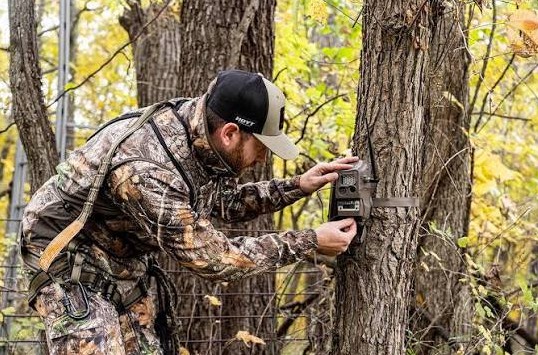
This is the window where scouting pays compound interest. Deer are on food, they are moving in daylight, and they have not been hunted since last winter. Everything you learn now is a deposit, and every careless intrusion is a withdrawal from the same account.
- Learn the ground before you need it, not in the first week of the season
- Every camera check and every walk in costs you something, so spend both deliberately
- Write down dates and wind, because you will not remember either one by November
Expert tip from Curt Bellamy, Public land editor: “The best scouting month is July, and the second best is the day after the season closes. Both of them are free. October is the expensive one.”
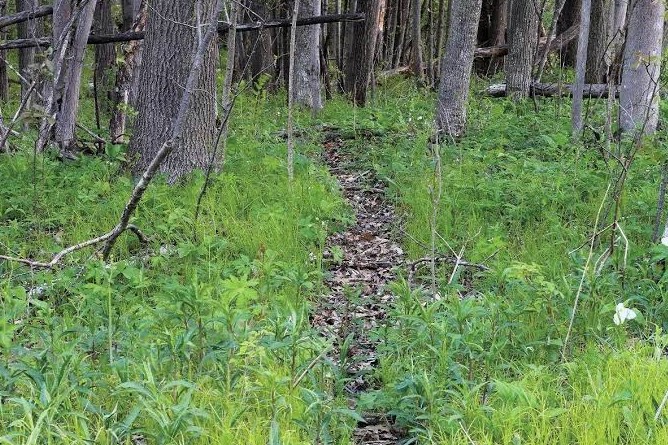
Why do food patterns stop working in the rut?
Once bucks start checking does, food stops predicting movement. Terrain takes over, and it takes over completely.
This is the phase people wait all year for, and the one they most often hunt wrong. They keep sitting the food source that worked in October while the deer they want is covering a mile of ridge line scent checking bedding areas.
The answer is to stop hunting sign and start hunting shape: saddles, benches, points and the inside bends of ridges. In open timber those five shapes are the whole game.
- Saddles: the cheapest crossing between two drainages
- Benches: level travel on ground that is otherwise steep
- Points: where a buck can scent check a whole basin without walking it
Late season: arithmetic, not romance
After the rut, movement is a calorie calculation. Cold sets the bill and hunting pressure sets the hours deer will pay it.
Range collapses. A buck that covered miles in November spends December in a small core area, moving between thermal cover and the best food he can reach cheaply. He is predictable again, but the margin for error is gone.
- Find the food that is still standing in the cold.
- Work backwards to an entry route that never crosses bedding cover.
- Wait for the wind that makes that route work, even if it costs you a week.
- Sit afternoons, and leave in full dark by the way you came in.
Expert tip from Nathan Kestler, Big woods editor: “The last four days of the season have given me more deer than any other stretch of the year, from setups I refuse to touch until conditions are exactly right.”
What happens after the shot?
The season does not end when the animal goes down. The next two hours decide what the whole year was worth.
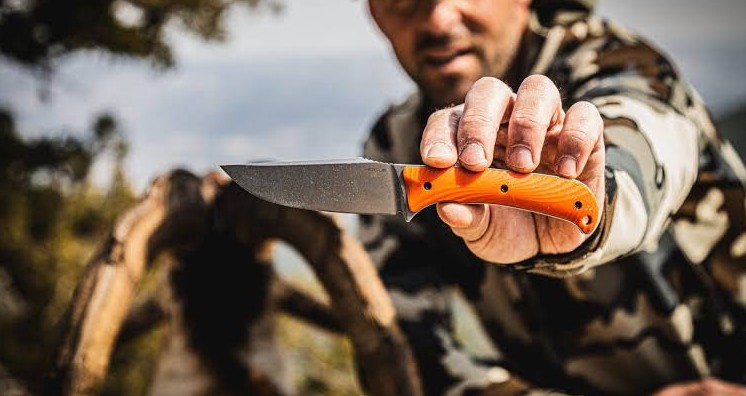
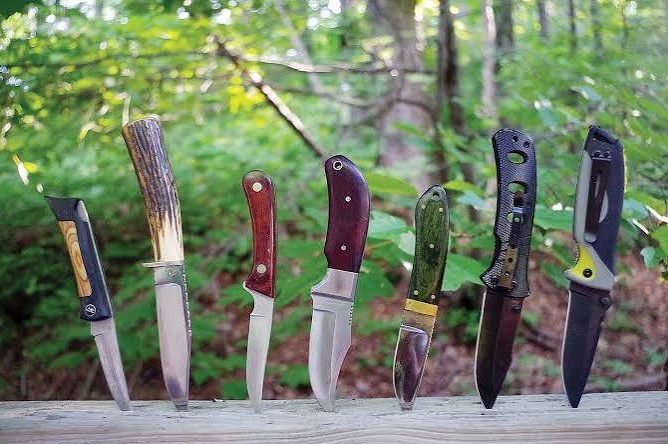
Field care is the phase nobody photographs and everybody judges you on in February. It is also where equipment stops being a preference and becomes a tool with a job description, which is why it gets as much space here as the hunting does.
Start anywhere
The guides are written to be read out of order. Pick the phase you are in.