Arizona
The Arizona hunting trail: public land, Coues deer and a lot of glass
Arizona is mostly public, mostly steep and mostly draw only. It rewards patience with optics more than any other kind of skill.
Arizona hunting is a glassing game played on public ground you have to draw for. Both halves of that sentence shape everything else.
What makes Arizona different?
Most of the state is open to the public, and almost every big game tag comes through a draw rather than over a counter.
That combination produces a strange kind of hunting. Access is rarely the problem. Drawing the tag is, and once you have it you are on ground that thousands of other people can legally walk, in country steep enough that most of them will not.
Draw odds, unit boundaries, tag numbers and season structure are set annually and are not something to take from a website. The Arizona Game and Fish Department publishes all of it, and it changes every year.
Coues deer, and why they humble people
A Coues buck weighs less than a big Labrador and lives in country that swallows him. Hunters miss them by looking for a whitetail sized animal.
They are a desert whitetail, small, grey and almost invisible in oak and juniper at any distance past a hundred yards. Delia has spent whole days finding four deer, and considers that a good day. Success rates in many units sit well under a third, and that is normal rather than a sign anyone is doing it wrong.
- Look for movement and horizontal lines, not for a deer shape
- Ears and the white throat patch give them away long before antlers do
- If you think you are glassing slowly enough, slow down again
Expert tip from Delia Rourke, Field care editor: “New hunters glass the way they drive: too fast, and looking too far ahead. Grid the hillside in strips and stay in each strip until it bores you.”
How do you pick a unit without local knowledge?
By reading terrain and access rather than reputation. The famous units draw the most applicants and the most people on the ground.
| Terrain | What to glass | Best hours | Access reality |
|---|---|---|---|
| Oak and juniper hillsides | Shaded north faces at midday | Dawn and midday | Foot access, steep |
| Canyon rims | Opposite slopes across the drainage | First and last light | Long approach, good vantage |
| Desert grassland | Draws and wash edges | First two hours | Easy access, more pressure |
| High country pine | Openings and burn edges | Dawn and dusk | Roads, so more competition |
The pattern in that table is simple. Every location that is easy to reach carries more people, and every one that requires a climb carries fewer. Distance from a road remains the cheapest advantage in western hunting.
- Pick two or three units by terrain type rather than by reputation.
- Study satellite imagery for glassing vantages that face north and east.
- Mark water, because in dry years it concentrates everything.
- Plan an approach that puts you on a vantage point before shooting light, not after.
Why does glassing decide the hunt here?
In this country the tripod does more work than the rifle. Handheld glassing finds a fraction of the deer that are actually there.
A steady binocular on a tripod turns a hillside from a green blur into something you can read. It is the single largest jump in effectiveness available to a western hunter, and it costs less than most rifles.
- Get the glass on a tripod, whatever else you skip
- Sit down and get comfortable, because comfort is what lets you stay still
- Glass the same hillside twice, an hour apart, before you write it off
Expert tip from Curt Bellamy, Public land editor: “Everything I learned about glassing in Utah applies here, only more so. The country is bigger and the deer are smaller. Patience is not a virtue in this game, it is the technique.”
After the shot in warm country
Arizona seasons can run hot, and heat is the enemy of everything you worked for. Cooling starts within minutes, not hours.
A deer down at ten in the morning on a seventy degree hillside is a clock running fast. Shade first, then air on all sides, then the walk out. The sequence that keeps meat clean under that kind of pressure is in field dressing a deer in the order that keeps meat clean.
Small deer also mean precise work. A Coues buck gives you far less room around the pelvis and the joints than a northern whitetail does, which is one reason Delia is fussy about blade shape rather than blade size, as covered in blade length, grind and steel for a deer knife.
More from The Hunting Trail
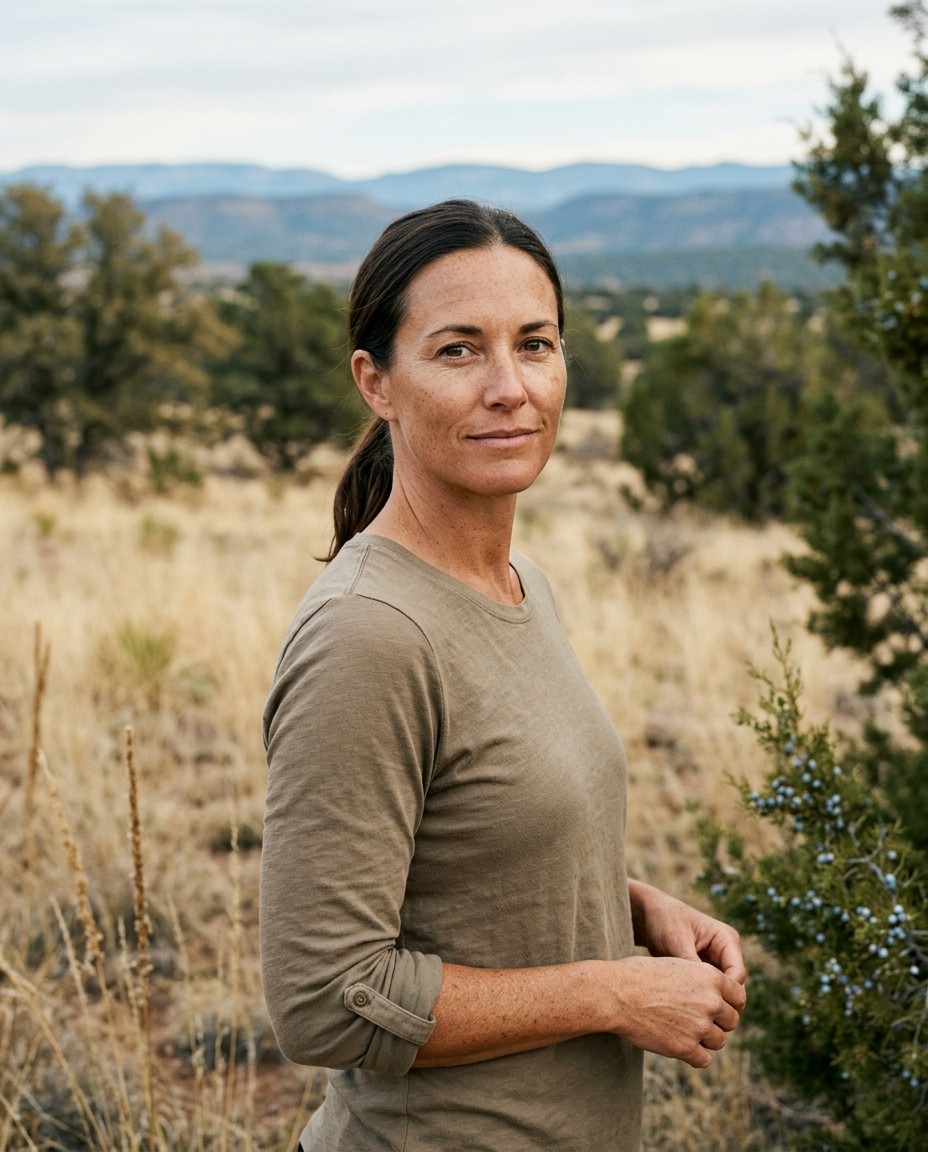
Field care editor
Delia Rourke
Eleven years as a large animal veterinary technician before she wrote a word. Coues deer, and no patience for wasted meat.