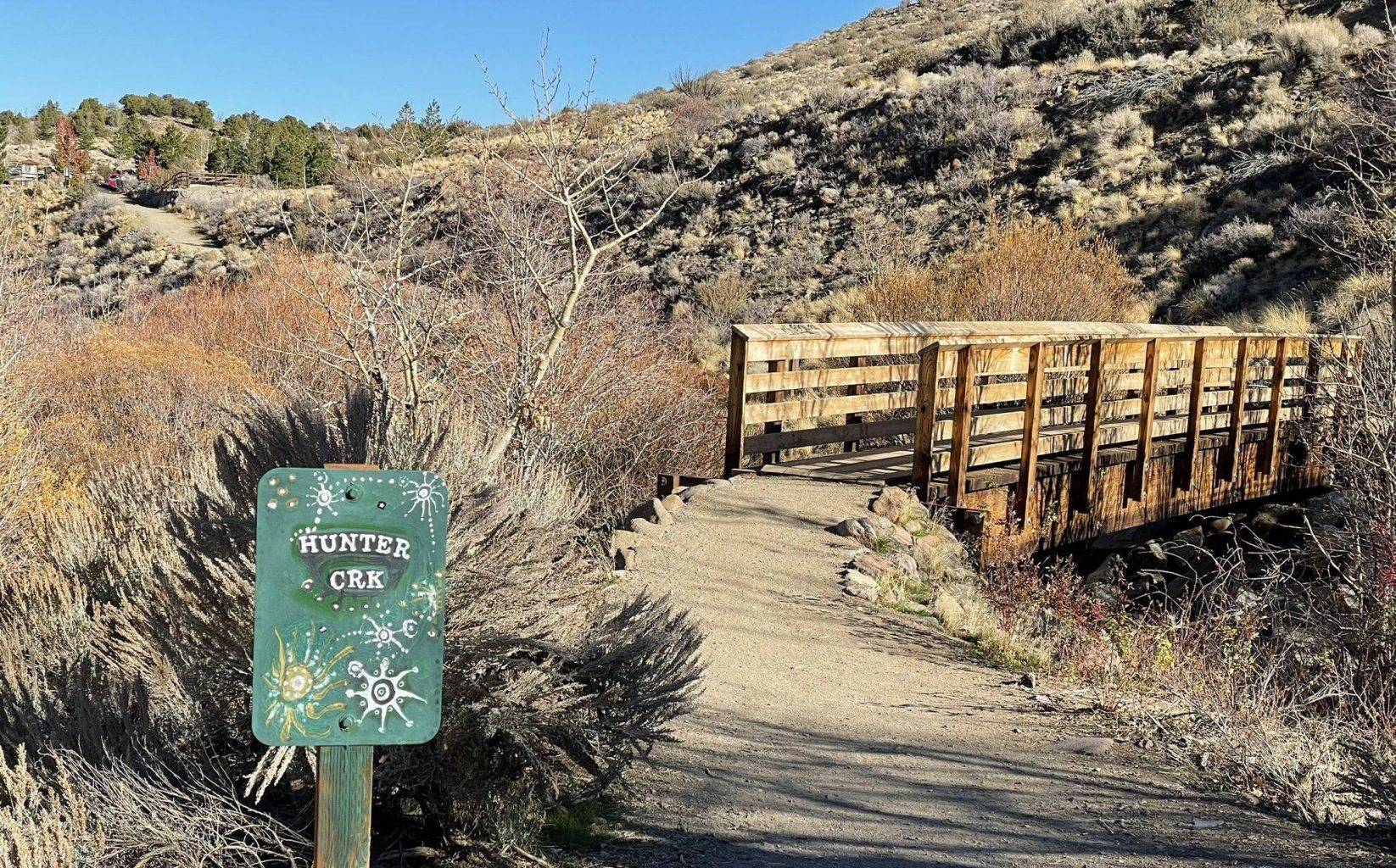
Whitetail, mule deer, Coues
Public land deer hunting, from the first scout to the pack out
Three hunters, three very different pieces of country, and the notes we keep from opening morning to last legal light.
What you will find here
The Hunting Trail covers deer hunting on public ground: scouting, season timing, and gear that survives a full year of use.
Nobody here is on retainer. We hunt units anyone can draw or walk into and write down what actually happened, including the parts that failed.
- Reading sign and scouting before the season opens
- Season timing, from early patterns to the post rut
- Gear carried every day, not tested once for a review
- The work that starts after the animal is down
Where do you start on ground you have never hunted?
Start with boundaries and access, then walk the edges. Sign shows where deer are now. Terrain shows where they will be in November.
- Pull the land status map and mark every legal access point.
- Walk the transitions first: timber into field, bench into bottom.
- Hang cameras on pinch points, not on the prettiest trail.
- Come back three weeks later and see what changed.
Curt hunted a Utah bench for two seasons because it looked perfect on the map. It held nothing. The third year he dropped 400 yards to a spring seep and killed a buck on the second morning.
Expert tip from Curt Bellamy, public land editor: “A camera on the prettiest trail tells you what already happened. Put it where two terrain features pinch and it tells you what happens next.”
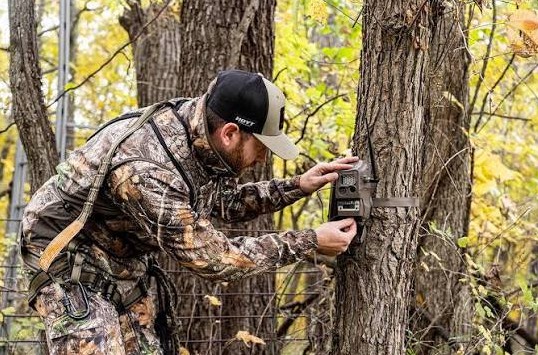
Scouting without burning the spot
Cameras, boot work and map study, and how often you can check a spot before deer pattern you.
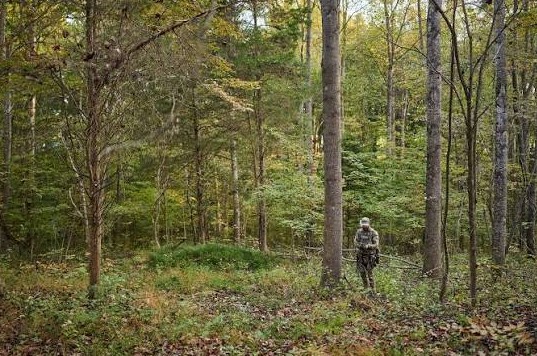
Sitting big woods timber
Open hardwoods give you distance and take away cover. Where to sit with no field edge to lean on.
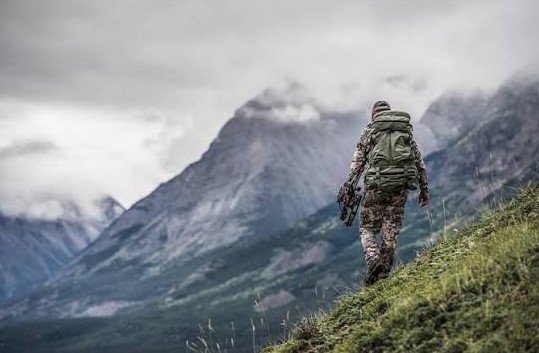
Getting meat off the mountain
Load planning, trip counts, and how far you can really carry an animal before dark.
How much does the season really change what you do?
More than most plans allow for. Early season deer move on food. By the rut they move on does. Late season they move on cover and calories.
| Phase | What moves deer | Where to be | What works hardest |
|---|---|---|---|
| Early season | Food and water | Field edges, water sources | Optics and boots |
| Pre rut | Scent checking | Terrain funnels, scrape lines | Calls and wind discipline |
| Rut | Does | Bedding to feeding travel | Patience and layers |
| Late season | Cold and cover | South slopes, standing food | Insulation and a sharp knife |
The table is a pattern, not a permission slip. Dates and unit rules change every year, so read the agency first: Utah Division of Wildlife Resources, Arizona Game and Fish and the Pennsylvania Game Commission are the three we check most.
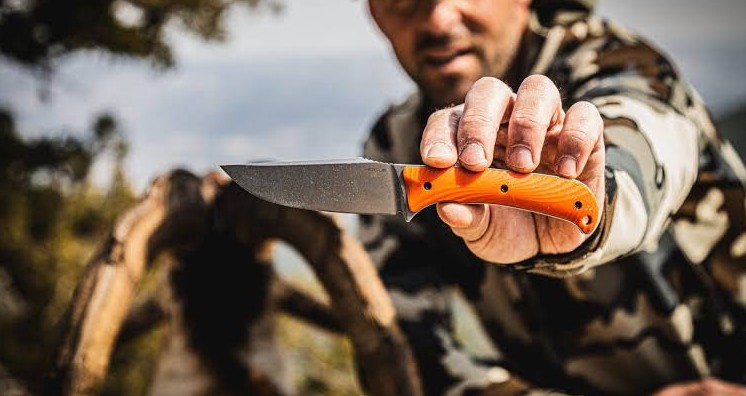
The work that starts after the shot
A downed deer is a clock. Body heat spoils meat, and every minute between the shot and the first cut works against you.
Field dressing and quartering decide how the year tastes in February.
- A blade short enough to work inside a body cavity
- An edge that survives hide, hair and joints on one animal
- A handle that holds with wet, cold hands
- A spine you can lean on without the grip rolling
Steel is a trade, the same way tire compound is. The rubber that grips best wears out first. Harder steel holds an edge far longer and chips on bone. Softer steel dulls sooner and comes back with six strokes at camp.
Most of us carried factory knives for years and got by fine. The difference shows up on the third animal of the season, when a mass produced edge has quit and a properly heat treated one has not. That is usually the point where hunters start looking at custom knives in stock from makers who grind for game rather than for a display case.
Expert tip from Delia Rourke, field care editor: “Get the hide off and the meat cooling before you worry about anything else. A perfect edge cannot save a carcass that sat warm for four hours.”
3
Hunters writing here
70+
Seasons afield between them
3
States, from rimrock to hardwoods
1
Rule: we do not write what we have not done
Who is writing this?
Three hunters in three different pieces of country: Utah rimrock, Arizona high desert and Pennsylvania hardwoods.
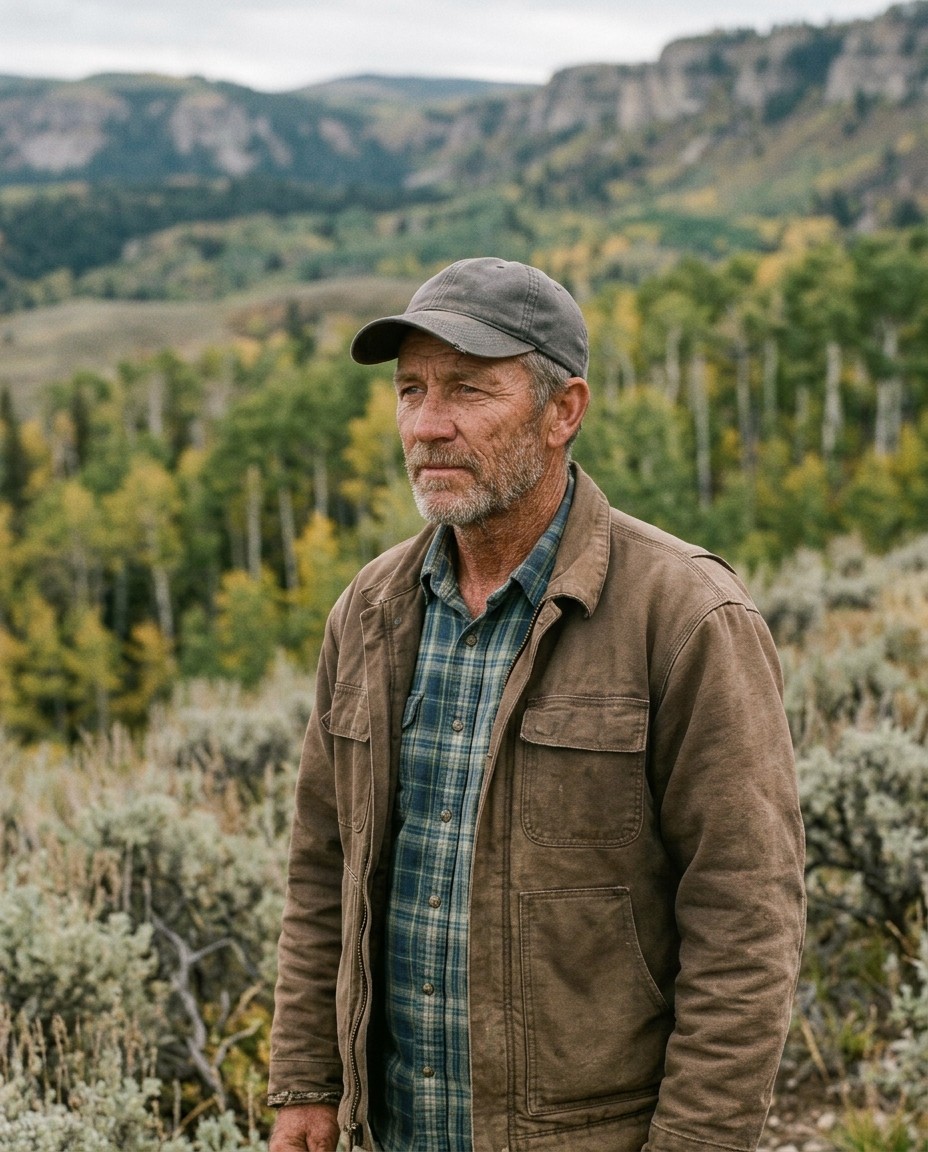
Curt Bellamy
Public land editor, northern Utah
Spent his working life as a range technician on public land, which is a polite way of saying he walked it. Mule deer, high benches, long glassing.
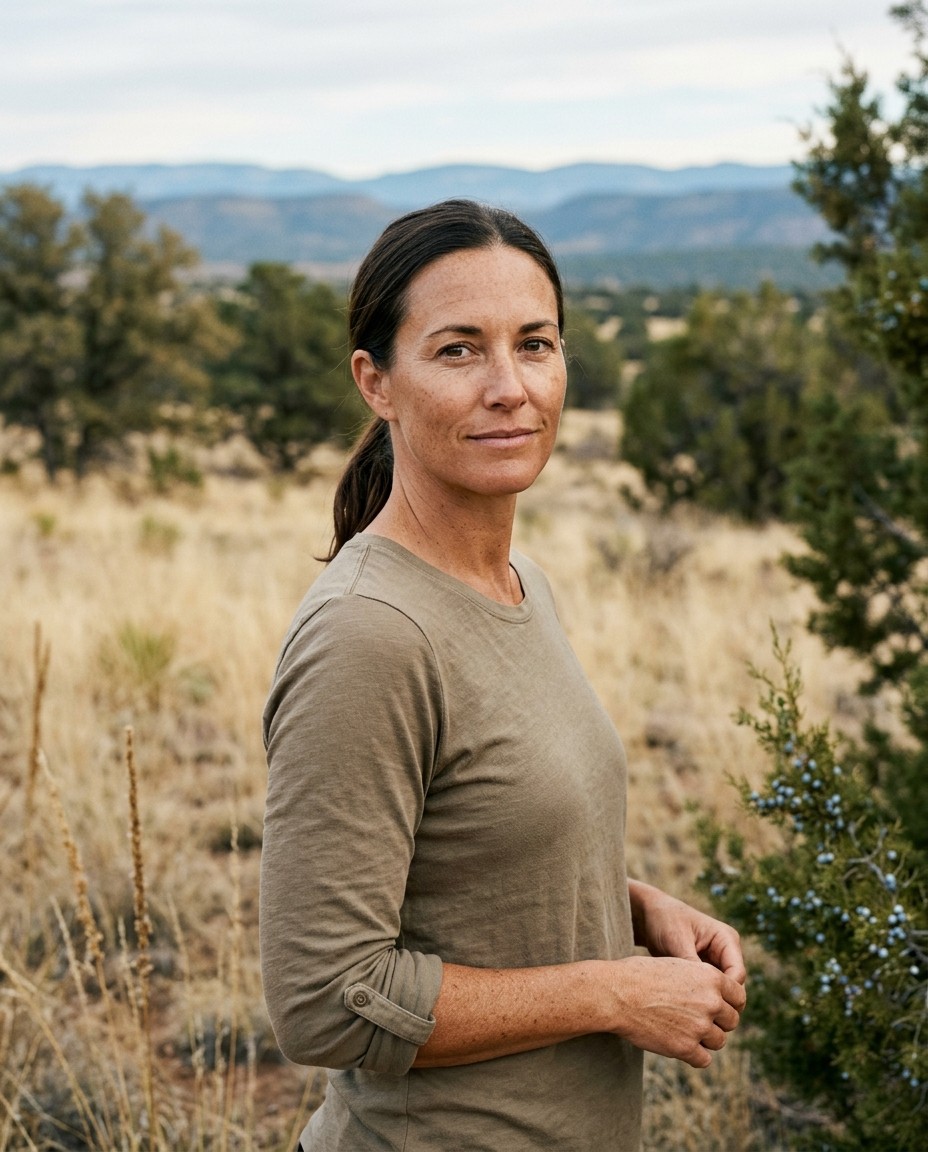
Delia Rourke
Field care editor, southern Arizona
Large animal veterinary technician for years before she wrote a word. Coues deer, and no patience for wasted meat.
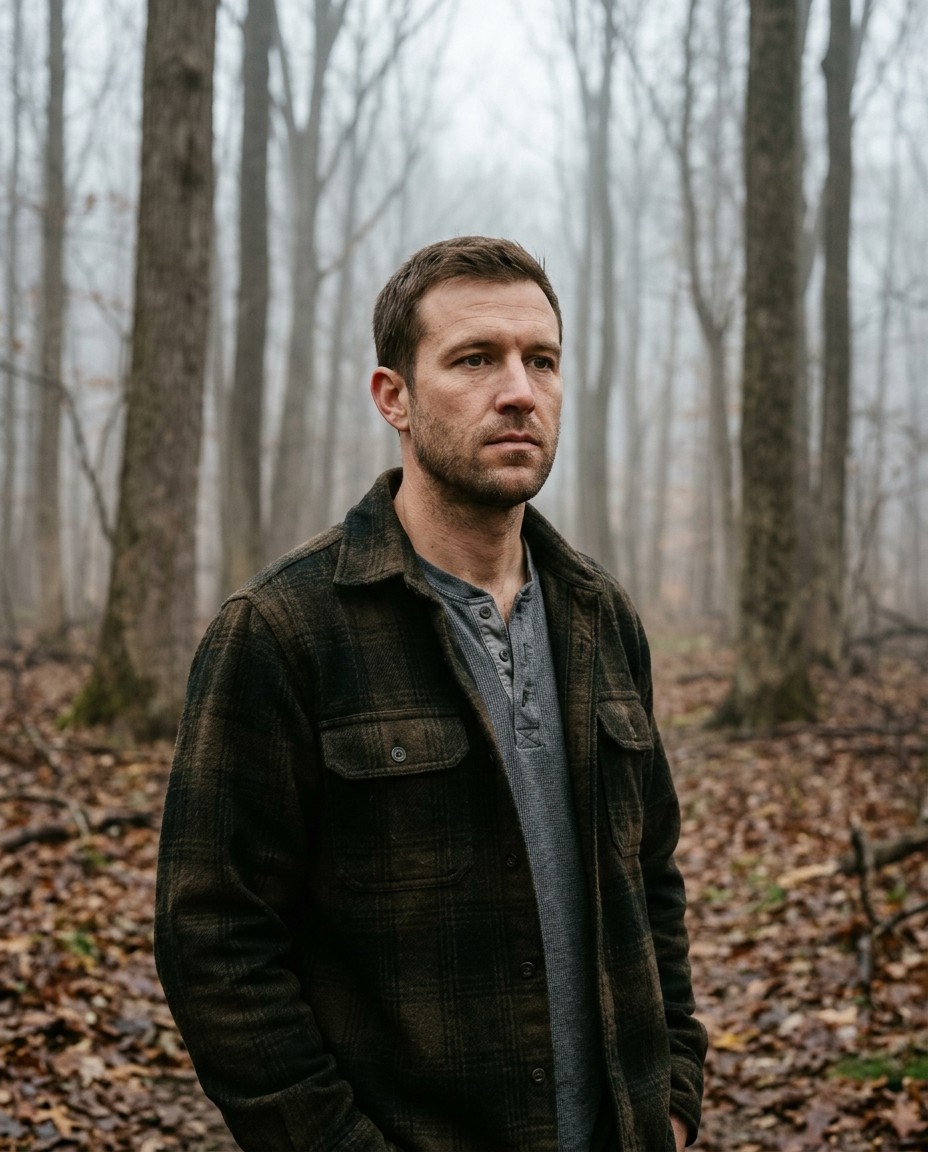
Nathan Kestler
Big woods editor, Pennsylvania
Cruises timber for a living and hunts the same ridges on his own time. Open hardwoods, nothing to hide behind.
Field notes
Short entries from the season: what we saw and what we would do differently.
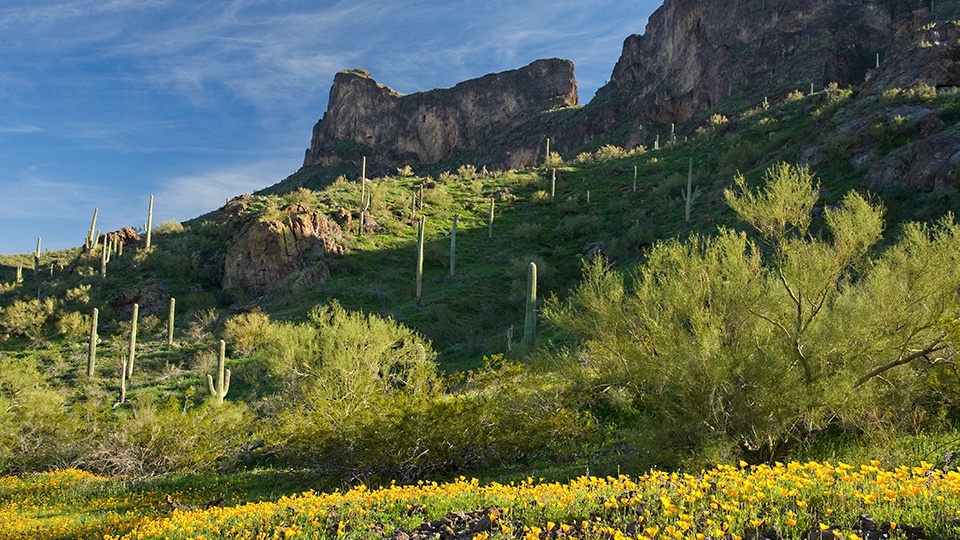
Poppies came early on the south face. Deer stayed high anyway. Feed was not what held them.
Delia Rourke, March
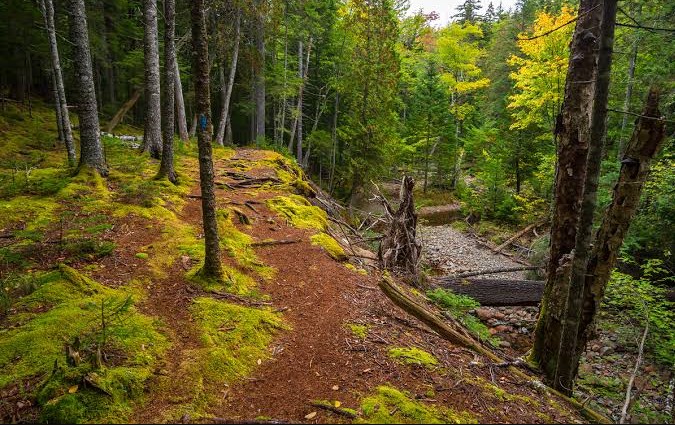
Old skid road above the creek. Quiet walking, and the wind stays in your face the whole way in.
Nathan Kestler, October
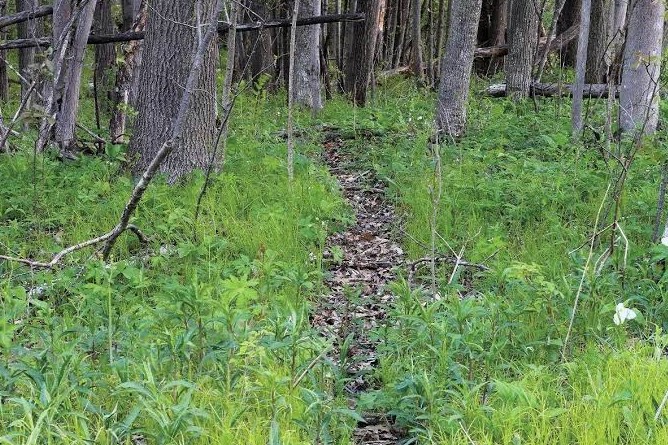
A trail this worn in June is a summer pattern. Empty by November. Note it, then find the fall version.
Curt Bellamy, June
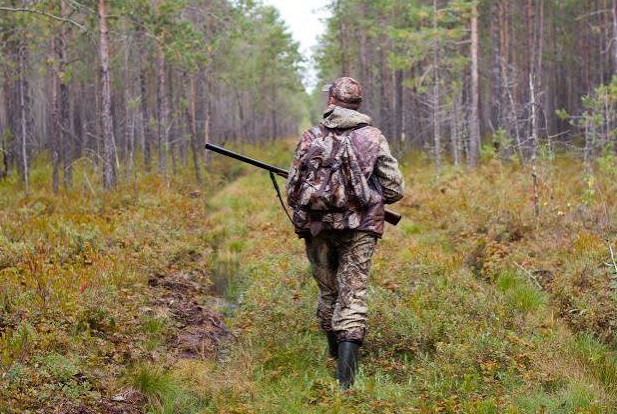
Walked out empty and in no hurry. Two hours of wet boots taught me more than the camera did all summer.
Nathan Kestler, November
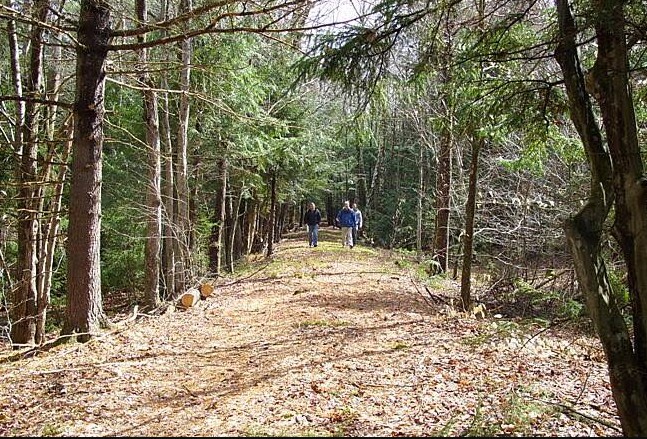
Post season walk. Sheds, old rubs and three beds forty yards off a road we drive every year.
Curt Bellamy, April
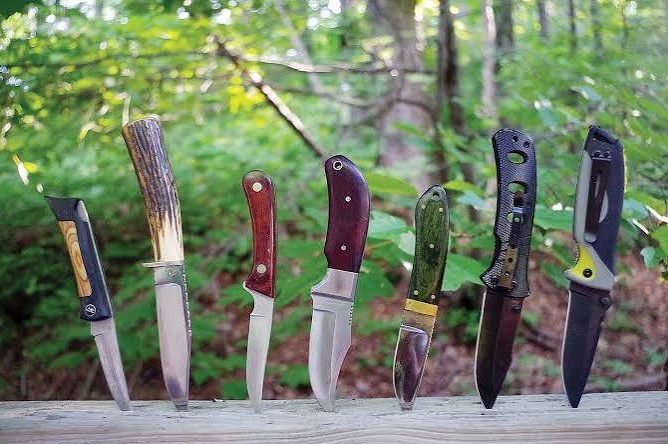
Camp knife audit. Four never leave the sheath. Two do all the work. That ratio holds.
Delia Rourke, August
Where to start reading
Written to be read out of order. Pick the one that matches the ground you hunt this year.